 Skip to content

To clean a shower drain in 10 minutes, lift out the drain cover, pull out any hair and gunk with a wire hook or drain tool, then flush the pipe with boiling water followed by a baking soda and vinegar mix. That handles most slow shower drains caused by hair and soap scum. It’s a job any homeowner can do with tools already in the house.
Most shower blockages build up slowly from hair, soap residue and skin oils clinging to the pipe walls. Clear them early and you avoid the standing water, gurgling and bad smells that follow. Here’s the exact 10-minute method, plus how to tell when the problem is deeper than a quick clean.
If the water still won’t drain after this, the blockage sits further down the pipe and needs proper clearing gear. We’ll cover that too.
How to Clean a Shower Drain in 10 Minutes Step by Step
Cleaning a shower drain takes five steps and about ten minutes. You lift the cover, remove the hair, flush with hot water, treat the pipe with baking soda and vinegar, then rinse. Most slow drains clear on the first go. No harsh chemicals needed for a routine clean.
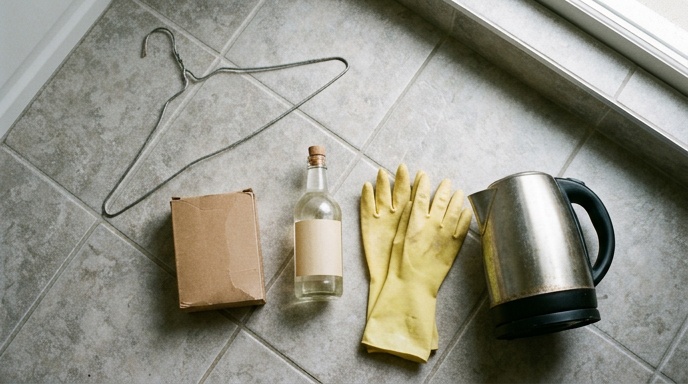
Before you start, grab these:
- Rubber gloves and an old towel
- A flathead screwdriver (for screwed-down covers)
- A wire coat hanger bent into a hook, or a plastic drain zip tool
- Baking soda and white vinegar
- A kettle of boiling water
Work through the steps in order and don’t skip the hair removal. That single step clears the majority of shower blockages on its own.
Step 1: Remove the Drain Cover and Clear the Hair
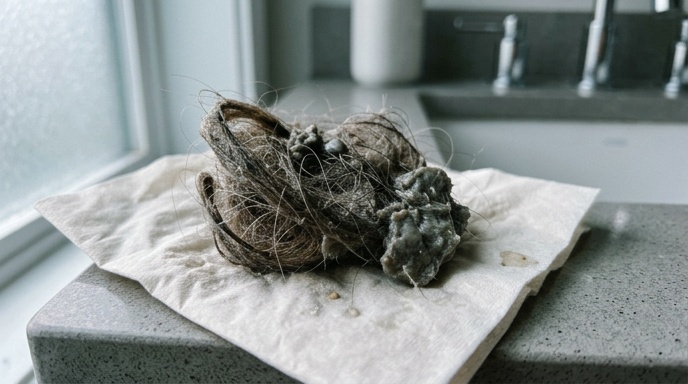
Lift or unscrew the drain cover and pull out every strand of hair you can reach. Use the bent coat hanger or a plastic zip tool to hook clumps from just below the opening. This is the single biggest cause of a slow shower, so take your time and get it all.
Step 2: Flush With Boiling Water
Pour a full kettle of boiling water slowly down the drain in two or three stages. The heat melts soap scum and body oils coating the pipe walls. Wait a few seconds between pours so the water has time to work rather than just running straight through.
Step 3: Treat With Baking Soda and Vinegar
Tip about half a cup of baking soda into the drain, then pour in a cup of white vinegar. The mix fizzes as it lifts residue off the pipe. Leave it to work for five to ten minutes, then flush with another kettle of hot water to rinse everything through.
What Causes a Shower Drain to Block in the First Place?
Shower drains block mainly from hair binding with soap scum, body oils and skin cells into a dense clog inside the pipe. The mix sticks to the pipe walls, narrows the flow and traps more debris over time. Hard water minerals and small objects like bottle caps make it worse.
Knowing the cause helps you prevent the next one. The usual culprits are:
- Hair, the number one cause in almost every shower
- Soap scum and shower gel residue coating the pipe
- Body oils and skin cells binding it all together
- Hard water scale narrowing the pipe over months
- Grit, sand or small objects washed in from feet
Once you see how fast a small clog grows, a quick monthly clean makes a lot more sense than waiting for a flood.
Should You Use Chemical Drain Cleaners on a Shower Drain?
Chemical drain cleaners are best avoided for routine shower drain cleaning. They can clear a clog, but the caustic chemicals also eat at older pipes, seals and joints over time. For a hair and soap blockage, boiling water and baking soda do the same job without the damage or the fumes.
If you do keep a bottle under the sink, use it sparingly and follow these points:
- Never mix two different cleaners, the reaction can release toxic gas
- Ventilate the bathroom and wear gloves
- Avoid them entirely on old or metal pipework
- Don’t use them if you plan to call someone out afterwards, as it puts our team at risk when working on the pipe
For most slow drains the natural method clears it. Chemicals rarely earn their place, and a repeat clog usually means the real problem sits deeper than any liquid can reach.
What to Do When a Shower Drain Won’t Clear
If your shower drain still won’t clear after cleaning the cover and flushing the pipe, the blockage sits deeper in the drainage run and needs professional clearing. Recurring blockages, water backing up in more than one fixture, or a bad smell that keeps returning all point to a fault the DIY method can’t reach.
Watch for these signs that it’s gone past a home job:
- The shower blocks again within days of cleaning it
- Water backs up in the bath, sink or toilet at the same time
- A persistent drain smell that returns after cleaning
- Gurgling from other drains when the shower runs
- Slow drainage across the whole house
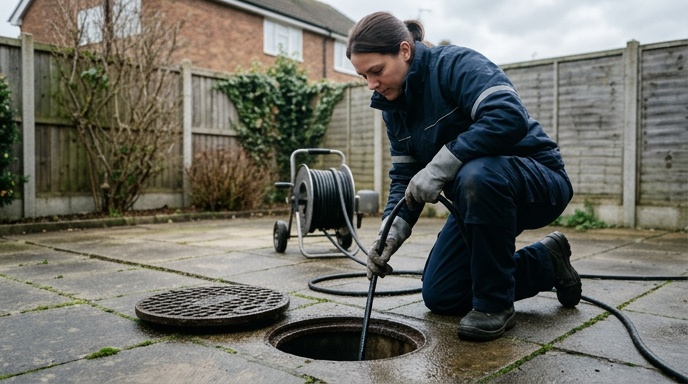
When several drains act up together, the issue is usually in the shared pipe or the main line, not the shower trap. That’s where high pressure water jetting scours the full width of the pipe, or a CCTV survey finds the exact cause such as root ingress or a collapsed section. A quick camera check saves guesswork and stops you paying to clear the same drain twice.
How to Keep a Shower Drain Clear for Good
The best way to keep a shower drain clear is to stop hair reaching the pipe in the first place and to flush the drain regularly. A cheap drain guard over the plughole catches nearly all the hair, and a monthly boiling water rinse keeps soap scum from building into a clog.
Build these habits and you’ll rarely see a slow shower again:
- Fit a mesh or silicone drain guard and empty it weekly
- Pour a kettle of boiling water down the drain once a month
- Do the baking soda and vinegar treatment every four to six weeks
- Brush loose hair before showering to cut what washes in
- Wipe excess hair from the guard rather than washing it through
For guidance on what should and shouldn’t go down household drains, Uisce Éireann publishes clear advice on protecting your home drainage. Small habits like these prevent the sort of build-up that turns a five-minute clean into a full callout.
When Should You Call a Drainage Professional?
Call a drainage professional when a shower drain keeps blocking, when several drains slow at once, or when there’s standing water and a smell you can’t shift. These point to a blockage or fault deep in the system that home methods won’t fix, and leaving it risks sewage backup or pipe damage.
For recurring problems, that’s cheaper in the long run than repeat DIY attempts. Water backing up fast or overflowing counts as an emergency, and our team runs a 24/7 service with callback within 15 minutes.
If the quick clean hasn’t worked or the problem keeps coming back, request a free callout and we’ll sort it properly. No mess, no fuss, no problem.

