 Skip to content

A sewage smell in the bathroom nearly always comes from sewer gas escaping past a water seal that should be blocking it. The most common causes are a dried-out U-bend, a failed seal around the toilet or shower, or a partial blockage further down the pipe. In most cases the fix is quick and cheap, though a lingering smell can point to a drainage fault that needs a camera to find.
If the smell keeps coming back after you’ve cleaned everything, that’s the sign something structural is going on underground. Below we walk through every likely cause, the fastest home fixes, and the point where you should call a drainage crew instead of chasing your tail.
Sewer gas isn’t just unpleasant. It carries hydrogen sulphide and methane, so a strong, persistent smell is worth sorting quickly rather than living with.
What Causes a Sewage Smell in the Bathroom?
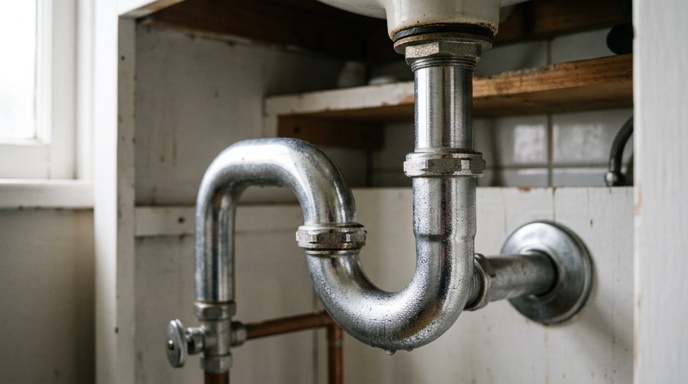
A sewage smell in the bathroom is caused by sewer gas finding a way past the water seals that normally trap it. Every drain has a U-shaped bend that holds a small pool of water, and that water is the barrier between your room and the pipe. When the seal fails, dries out, or gets bypassed, the gas rises straight up into the room.
The usual culprits fall into a short list:
- A dry U-bend in a rarely used shower, sink, or floor drain, where the water has evaporated.
- A failed wax seal or loose fixing under the toilet base.
- A blocked or restricted soil vent pipe that can’t release gas at roof level.
- A partial blockage in the drain trapping waste and letting gas back up.
- Cracked or loose pipework hidden behind the bath panel or in the wall.
Work through them in order of how easy they are to check. A dry trap is a two-minute fix. A cracked pipe behind tiling is a job for the tools.
Why Does a Dry U-Bend Cause Bathroom Odour?
A dry U-bend lets sewer gas straight into the room because the water that normally seals the pipe has evaporated. Every plughole and toilet relies on a small standing pool of water sitting in a curved section of pipe. If a shower, sink, or floor gully goes weeks without use, that water dries up and the barrier disappears.
This is the single most common reason for a smell in a spare bathroom, a downstairs loo, or a wet room floor drain.
How to Refill a Dry Trap
Pour water down the affected drain to refill the seal. Run the tap for thirty seconds or tip roughly a litre of water down the plughole or floor gully. The smell should fade within a few hours once the seal is restored.
- For a floor drain, add a splash of cooking oil after the water to slow future evaporation.
- Run every drain in a rarely used bathroom once a week to keep the traps topped up.
If the smell returns within a day or two, the trap isn’t holding water, and that points to a leak or a venting problem rather than simple evaporation.
How Does a Failed Toilet Seal Let Sewage Gas In?
A failed toilet seal lets sewer gas escape from the gap where the toilet pan meets the soil pipe. Under the base sits a wax or rubber seal that stops gas rising around the outside of the waste connection. When that seal cracks, shifts, or the toilet works loose on its fixings, gas leaks out at floor level, usually strongest right beside the pan.
You’ll often notice this smell is worse after flushing, or you might spot faint water staining around the base.
- Check whether the toilet rocks when you sit or press on it. Movement breaks the seal.
- Look for damp or discoloured grout around the foot of the pan.
- Feel for a cold draught or stronger odour close to the floor.
Re-seating a toilet and fitting a fresh seal is a doable DIY job, but if the flange or soil pipe underneath is damaged, you’ll want a professional to check it before you re-fix and re-grout over a hidden fault.
Can a Blocked Vent Pipe Cause Bathroom Smells?
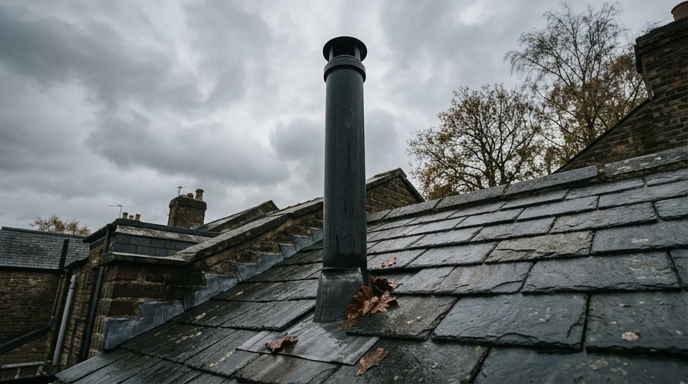
Yes, a blocked soil vent pipe causes bathroom smells because trapped sewer gas has nowhere to escape and forces its way back through your drains. The soil vent pipe runs from your drainage up through the roof, letting gas out safely and letting air in so waste flows freely. When it’s blocked by leaves, a bird’s nest, or debris, the pressure balance breaks.
Two tell-tale signs point to a vent problem rather than a trap:
- A gurgling sound from plugholes or the toilet when water drains.
- Traps that empty themselves and smell again days after you refill them.
The vent outlet sits at roof level, so clearing it safely usually means working at height. That’s a call for a drainage crew rather than a ladder-and-hope job, especially on a two-storey house. Ireland’s damp climate and autumn leaf fall make blocked vents a common seasonal cause here.
When Is a Bathroom Sewage Smell a Drain Problem?
A bathroom sewage smell is a drain problem when it keeps returning after you’ve refilled the traps, resealed the toilet, and checked the vent. At that point the fault is usually a partial blockage, a cracked pipe, or root ingress underground, and no amount of surface cleaning will shift it. This is where you stop guessing and get the pipe looked at properly.
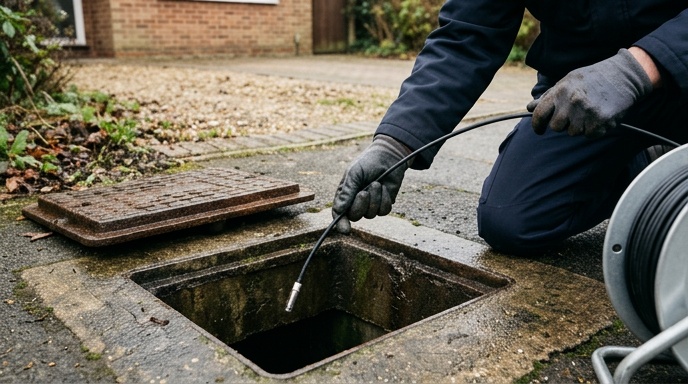
A CCTV drain survey sends a camera down the line to show exactly what’s happening, with the footage played back on site and a written report if you need one. It’s the only way to see a hairline crack, a displaced joint, or roots pushing into the pipe.
Signs it has gone past a home fix:
- The smell comes back within days despite refilling every trap.
- Slow drainage or gurgling across more than one fixture.
- Damp patches on walls or floors near the pipework.
- The smell is stronger outside near an inspection chamber or gully.
If you’re seeing several of these together, a proper look with CCTV camera surveys will pinpoint the cause without digging up your floor. From there a no-dig repair through an existing manhole often sorts it. You can find plain-English guidance on household wastewater and drainage from the EPA’s domestic wastewater information if you want the regulatory background.
How to Get Rid of a Sewage Smell in the Bathroom
To get rid of a sewage smell in the bathroom, work from the simplest fix upward until the odour clears. Start by refilling every trap, then check the toilet seal, then rule out the vent, and only then treat it as an underground drain fault. Following that order saves you paying for a survey when the answer was a dry plughole.
The full order of checks:
- Pour water down every plughole and floor drain to refill dry traps.
- Check the toilet for rocking and inspect the seal around the base.
- Listen for gurgling, which points to a blocked vent pipe.
- Clean overflow slots and the shower waste, where slime and hair build up.
- If the smell survives all that, book a camera survey of the drain.
Avoid tipping harsh chemical drain cleaners down repeatedly. They rarely fix a structural fault and can damage older clay or cast pipes common in period North Dublin homes.
How Much Does It Cost to Fix a Bathroom Sewage Smell?
The cost to fix a bathroom sewage smell depends entirely on the cause, from nothing at all for a dry trap to a few hundred euro for a drain repair. There’s no single fixed price, because a refilled U-bend costs you a jug of water while a collapsed pipe needs proper diagnosis and repair. Irish drainage prices aren’t published by any authoritative body, so treat any figure as an estimate and confirm on a callout.
As a rough guide to the type of work involved:
| Cause | Typical Fix | Effort Level |
|---|---|---|
| Dry U-bend | Refill the trap with water | DIY, free |
| Failed toilet seal | Re-seat pan, fit new seal | DIY or short callout |
| Blocked vent pipe | Clear vent at roof level | Professional |
| Partial blockage | High-pressure jetting | Professional |
| Cracked or collapsed pipe | CCTV survey then no-dig repair | Professional |
Because the price swings so widely with the cause, the honest answer is to get the drain diagnosed first. A fixed price up front before any work starts means no surprises. If the smell won’t shift, request a callout for a free quote and get the pipe checked properly rather than guessing at repairs.
How to Prevent Bathroom Drain Smells Coming Back
Prevent bathroom drain smells by keeping traps topped up, clearing waste build-up regularly, and catching drainage faults early. Most recurring smells come down to the same handful of habits, and a few minutes of upkeep beats an emergency callout on a bad-smelling bank holiday. Prevention is the cheapest drainage work there is.
- Run water through rarely used showers, sinks, and floor drains weekly.
- Clear hair and soap slime from plugholes and shower wastes monthly.
- Never pour fat, oil, or grease down bathroom or kitchen drains.
- Check the soil vent for leaves and nests, especially in autumn.
- Book a planned survey if smells or slow drainage keep recurring.
For rural homes on a septic tank or bio-cycle system, a smell in the bathroom can also mean the tank needs emptying or the system is struggling, which is a separate check worth ruling in.
Sorting a Persistent Bathroom Smell for Good
Most bathroom sewage smells trace back to a dry trap, a failed toilet seal, or a blocked vent, and you can rule those out yourself in an afternoon. When the smell keeps coming back despite all that, it’s telling you something’s wrong underground, and that’s the point to bring in a camera rather than more bleach.
If you’ve worked through the checks and the smell won’t quit, get the drain surveyed and the cause fixed properly. Call the 24/7 line on (01) 849 1706 or request a callout for a free quote and we’ll find what’s really going on.

