 Skip to content


Drain unblocking cost in Ireland typically runs from about €90 to €250 for a straightforward domestic blockage cleared on the first visit. More stubborn jobs that need high-pressure jetting or a camera survey usually land between €200 and €450. These are researched ranges, not fixed quotes, so treat them as a guide.
The final price depends on where the blockage sits, how bad it is, and whether the drain needs more than a simple clear. A blocked sink under the kitchen is a different animal to a shared drain backing up in the garden.
Below we break down the typical ranges, what pushes the price up or down, and how to avoid getting stung by hidden charges. Prices vary by home and by market, so always confirm a fixed figure before any work starts.
What Does Drain Unblocking Cost in Ireland in 2026?
Most domestic drain unblocking jobs in Ireland cost between €90 and €250 when the blockage is reachable and cleared on the same visit. Emergency call-outs, jetting, or work on collapsed or deeper drains push the figure higher. The table below shows typical researched ranges by job type.
| Job Type | Typical Price Range |
|---|---|
| Blocked sink, basin or shower | €90 to €180 |
| Blocked toilet | €100 to €200 |
| Blocked outside or shared drain | €120 to €250 |
| High-pressure jetting | €200 to €400 |
| CCTV survey (if diagnosis needed) | €150 to €350 |
| Emergency or out-of-hours call-out | Add €50 to €150 |
These are estimates based on current Irish market research, not a set fee. A firm should give you a fixed price on the phone or on arrival before touching anything. If someone quotes low then piles on charges once the van is parked, that’s the warning sign.
What Affects the Price of Unblocking a Drain?
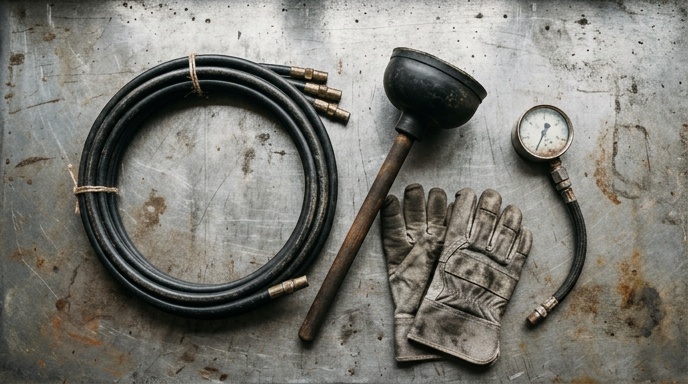
The price of unblocking a drain is driven by the location of the blockage, its severity, the method needed, and the time of the call-out. A sink trap you can reach in five minutes costs far less than a root-choked drain three metres down. Here’s what moves the number.
- Where the blockage sits. Internal traps under sinks are cheap and quick. External or shared drains take longer and often need a rod or jet.
- How severe it is. A soft grease build-up clears fast. A solid mass of wipes, fat or roots takes real graft.
- The method required. Simple rodding is cheapest. Jetting and camera work cost more because of the kit and expertise involved.
- Time of day. A 3am emergency during a storm costs more than a booked weekday slot.
- Access. A drain buried under decking or paving takes longer to reach and price reflects that.
Two jobs that sound identical on the phone can differ by €100 once the cause is known. That’s why a proper firm diagnoses first rather than guessing, often with a camera to confirm what’s actually down there.
Does an Emergency Call-Out Cost More?
Yes, emergency and out-of-hours call-outs usually add €50 to €150 to the base price. A team running a 24/7/365 service with same-day attendance carries that cost for the speed and availability. If sewage is backing up into your home, the extra is worth it to stop the damage spreading.
Is Jetting More Expensive Than Rodding?
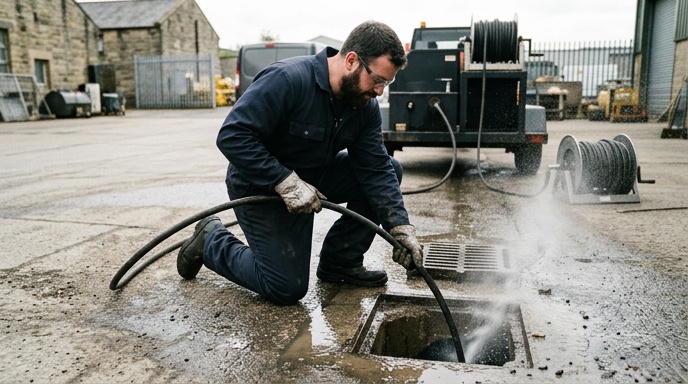
High-pressure jetting costs more than basic rodding because it uses specialist equipment and clears the full width of the pipe. Rodding pokes a hole through the blockage. Jetting scours the pipe wall clean, so it lasts longer and suits grease, silt and recurring blockages far better.
When Do You Need a CCTV Survey Instead of a Simple Clear?
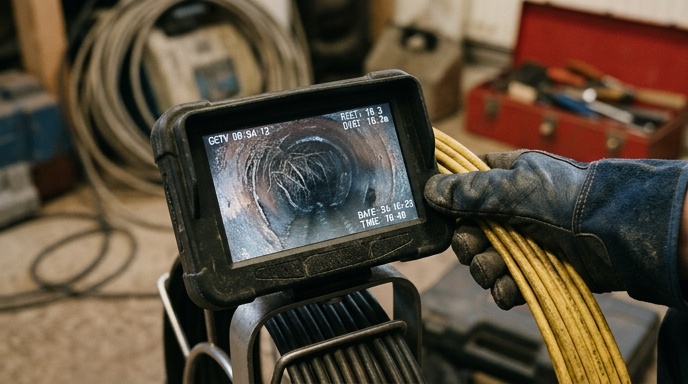
You need a CCTV survey when a drain keeps blocking, when the cause is unclear, or when you want proof of the pipe’s condition before buying a property. A camera survey typically costs €150 to €350and shows exactly what’s wrong, so you’re not paying twice for a guess. It’s diagnosis, not a clear.
A one-off blockage rarely needs a camera. But if the same drain backs up every few months, something structural is usually the cause. Common culprits a survey reveals include the following.
- Tree roots pushing in through a joint or crack.
- A cracked, displaced or partly collapsed pipe.
- A dip or belly in the run where water and debris sit.
- Fat and grease coating the pipe walls over time.
City & Guilds certified technicians can produce a written report from the footage, the kind solicitors and engineers accept. For property buyers, a pre-purchase drain survey can flag a repair bill worth thousands before you sign anything.
How Can You Avoid Hidden Drain Unblocking Charges?
To avoid hidden charges, get a fixed price up front, confirm what it covers, and check whether repairs are quoted separately before any work begins. A trustworthy firm tells you the number before starting, not after. If a quote is vague or changes on arrival, ask why.
Run through this quick checklist when you ring around.
- Ask for a fixed price on the phone or on arrival, not an hourly rate that can spiral.
- Confirm whether the call-out fee is included or added on top.
- Check that out-of-hours or weekend rates are stated clearly.
- Ask if a repair, once found, is priced separately and only done with your say-so.
- Confirm the firm holds a national waste collection permit so any waste is removed legally.
Honest pricing means the quote you agree is the quote you pay, with repairs only proceeding once you’ve agreed them. If you’re weighing up recurring blockages, our guide on proper drain cleaning explains why a full scour often works out cheaper than repeated clears.
Can You Unblock a Drain Yourself Before Calling a Pro?
Yes, you can often clear a minor blockage yourself with a plunger, a drain rod, or hot water and washing soda, which saves the call-out fee. But if the water won’t shift, sewage is rising, or more than one fixture is affected, stop and ring a professional before you make it worse.
Safe DIY steps for a light blockage include the following.
- Plunge a sink or toilet firmly to shift a soft blockage.
- Pour a kettle of hot (not boiling) water with washing soda down a greasy kitchen drain.
- Clear the visible U-bend under a sink with a bucket underneath.
- Lift and rod an accessible outside gully if you can reach it safely.
Avoid strong chemical drain cleaners on older pipes, since they can damage the pipe and rarely fix a real blockage. Water Ireland’s guidance on caring for your drains is a sound starting point for what not to flush. When several drains gurgle at once, the blockage is usually in the shared run and that’s a job for the team.
What’s the Cheapest Way to Keep Drains Clear Long Term?
The cheapest long-term approach is prevention, since a €10 sink strainer and mindful habits beat repeat call-outs. Keeping fat, wipes and food waste out of the system stops most domestic blockages before they start. For businesses, a planned maintenance contract works out cheaper than emergency call-outs.
Simple habits that cut your drainage bill over the years include the following.
- Never pour cooking fat or oil down the sink, let it cool and bin it.
- Bin wipes, cotton buds and sanitary items rather than flushing them.
- Fit strainers over sink and shower plugholes to catch hair and food.
- Clear gutters and outside gullies of leaves each autumn.
- Book a jetting or CCTV check if a drain starts slowing repeatedly.
For restaurants and cafes, grease-trap upkeep and scheduled maintenance keep the kitchen compliant and open. According to Environmental Protection Agency guidance on wastewater, poorly maintained drainage is a common cause of pollution incidents, so regular servicing pays off on more than just cost.
Ready to Get a Fixed Price on Your Drain?
A blocked drain rarely fixes itself, and the longer it sits, the bigger the risk of backup and damage. A quick diagnosis gets you a clear fixed price and the drain sorted, usually the same day for North County Dublin.
Ring the 24/7 hotline on (01) 849 1706 for an emergency, or request a free callout and quote for a booked visit. No mess, no fuss, no problem.


