 Skip to content


Pipe relining cost in Ireland typically ranges from around €1,500 to €6,000, depending on the length of pipe, the severity of the damage, and how easy the pipe is to reach. These figures are researched estimates, so treat them as a guide rather than a fixed quote.
For a short section of damaged drain, you’re often looking at the lower end. A longer run with awkward access or multiple patches pushes the price up. The real figure only lands once an installer runs a camera through the pipe and sees exactly what they’re dealing with.
The good news is that no-dig relining is almost always cheaper than digging up a driveway or lawn to replace a pipe. Below we’ll break down what you pay for, what moves the price, and when relining is the right call.
What Does Pipe Relining Cost in Ireland in 2026?
Pipe relining in Ireland generally costs between €1,500 and €6,000, with most domestic jobs settling somewhere in the middle. The price depends on how much pipe needs lining, how bad the damage is, and whether the work goes in as a spot patch or a full liner through the whole run.
A small localised repair through an existing manhole costs far less than relining several metres of collapsed or cracked pipe. Here’s a rough guide to typical ranges by job type.
| Job Type | Typical Cost Range | What It Covers |
|---|---|---|
| Spot repair / patch | €1,500 to €2,500 | A single damaged section lined through a manhole |
| Short full reline | €2,500 to €4,000 | Up to a few metres of continuous pipe |
| Longer or complex reline | €4,000 to €6,000 | Longer runs, bends, or multiple sections |
These are researched estimates, not fixed prices. A proper CCTV drain survey is the only way to know what your pipe actually needs before any cost is confirmed.
What Affects Pipe Relining Costs?
The biggest factors are the length of pipe, the extent of the damage, pipe diameter, and how easy the drain is to access. Each one can shift the final figure by several hundred euro, which is why two jobs on the same street can be priced very differently.
Here are the main things an installer weighs up before quoting.
- Length of pipe being lined, measured in metres from a survey
- Severity of the damage, from a hairline crack to full collapse
- Pipe diameter, as wider pipes need more lining material
- Access, since lining through an existing manhole is cheaper than opening ground
- Number of separate sections or bends along the run
- Whether root ingress needs cutting out first
In practice, a tidy straight run with a clear manhole is the cheapest scenario. Bends, junctions, and heavy root growth all add labour and time.
Does Root Ingress Add to the Price?
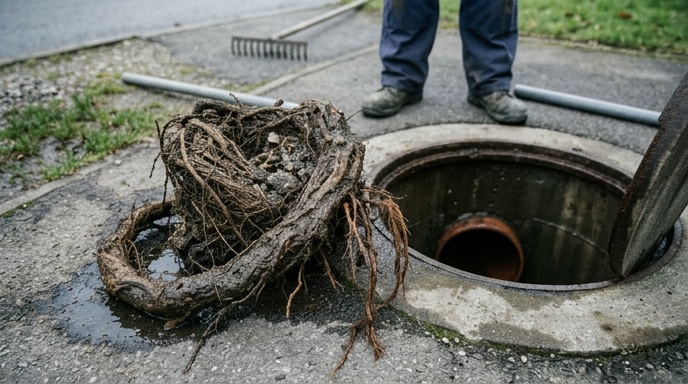
Yes, tree roots that have grown into a pipe usually need cutting out before relining, which adds to the cost. Root cutting clears the pipe wall so the liner can bond properly against a clean surface.
If roots keep coming back, relining actually helps long term by sealing the joints they were entering through. You can read more about root ingress in drains and how it’s dealt with before any lining goes in.
Is a Survey Included in the Quote?
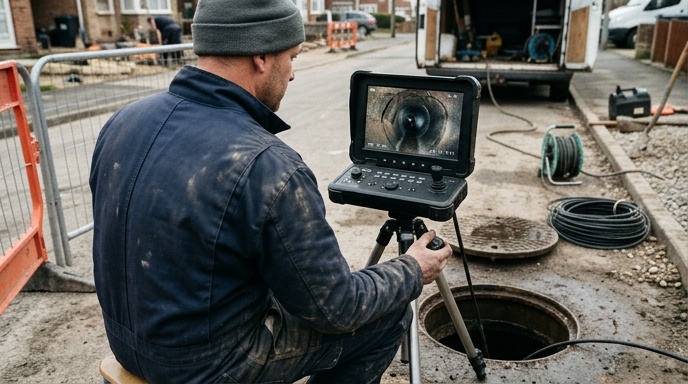
Usually a CCTV survey is carried out first to confirm the damage and measure the run, and the cost may be quoted separately or rolled into the repair. Either way, you shouldn’t be charged for relining work until the survey shows it’s the right fix.
A written survey report also gives you proof of the pipe’s condition, which matters if you’re dealing with an insurer, a solicitor, or a neighbour over a shared drain.
Is Pipe Relining Cheaper Than Excavation?
Yes, no-dig relining is almost always cheaper than excavation because you avoid digging up and reinstating driveways, paving, or lawns. Excavation adds the cost of groundwork, materials, and making good the surface afterwards, which can easily double the bill.
Relining works through existing manholes, so your garden and driveway stay untouched. Excavation only becomes the better option when a pipe is too badly collapsed to hold a liner.
| Factor | No-Dig Relining | Excavation |
|---|---|---|
| Surface disruption | None, works through manholes | Driveway or lawn dug up |
| Reinstatement cost | Not needed | Added to total bill |
| Typical timeframe | Often same day | Several days |
| Best for | Cracks, holes, joint leaks, roots | Fully collapsed pipes |
If you’re weighing up repair methods, a camera survey settles it quickly by showing whether the pipe can take a liner or needs full excavation instead.
How Long Does Relined Pipe Last?
A properly installed pipe liner can last up to 50 years, as the cured resin forms a hard, seamless pipe inside the old one. It seals cracks and open joints, resists root ingress, and smooths the inside wall so waste flows better and builds up less.
Because the liner bonds to the full length of the host pipe, it handles the same conditions the original pipe did. Quality of install matters, so the resin needs mixing and curing correctly for that lifespan to hold up.
- Seals cracks, holes, and leaking joints in one go
- Blocks the gaps where roots were entering
- Smoother bore means fewer future blockages
- No weak joints for new problems to start at
For most homeowners, that means a one-off repair rather than a recurring drain problem every winter.
When Is Pipe Relining the Right Repair?
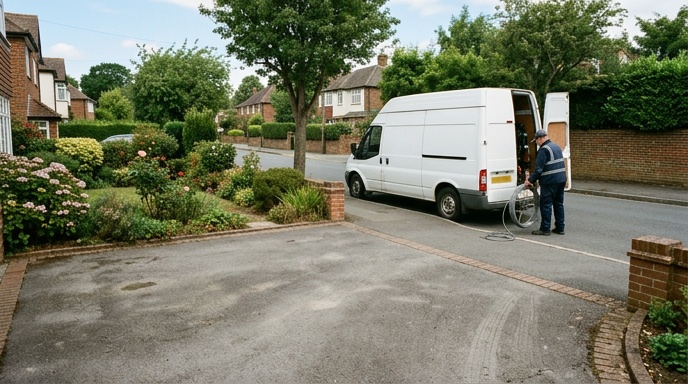
Relining suits pipes that are cracked, holed, leaking at the joints, or suffering root ingress but still holding their shape. If the pipe is structurally intact enough to support a liner, no-dig relining is usually the fastest and least disruptive fix available.
It’s the wrong call for a fully collapsed pipe where there’s nothing left to line against. That’s where excavation takes over. A survey tells you which camp your drain falls into.
- Good for relining cracked, fractured, or leaking pipes still in shape
- Joint displacement letting water or roots in
- Repeated blockages traced to a rough or damaged section
- Not for relining pipes that have fully collapsed or deformed
Diagnosing it correctly up front saves money. Paying for excavation when a liner would do, or lining a pipe that needed digging out, both cost more in the long run.
How to Keep Pipe Relining Costs Down
The best way to control the cost is to get a camera survey early, fix the right length of pipe, and avoid emergency call-outs by catching problems before they worsen. A small cracked section caught early is far cheaper than a collapsed run found after a flood.
A few practical steps that help keep the bill sensible.
- Book a CCTV survey at the first sign of recurring blockages
- Line only the damaged section rather than the whole run where possible
- Clear root ingress early before it fractures the pipe
- Ask for a fixed price up front before work starts
- Consider planned maintenance if you’ve had repeat issues
If you’re unsure whether your drain needs relining, contact our team and let our experts have a proper look before any work begins.


